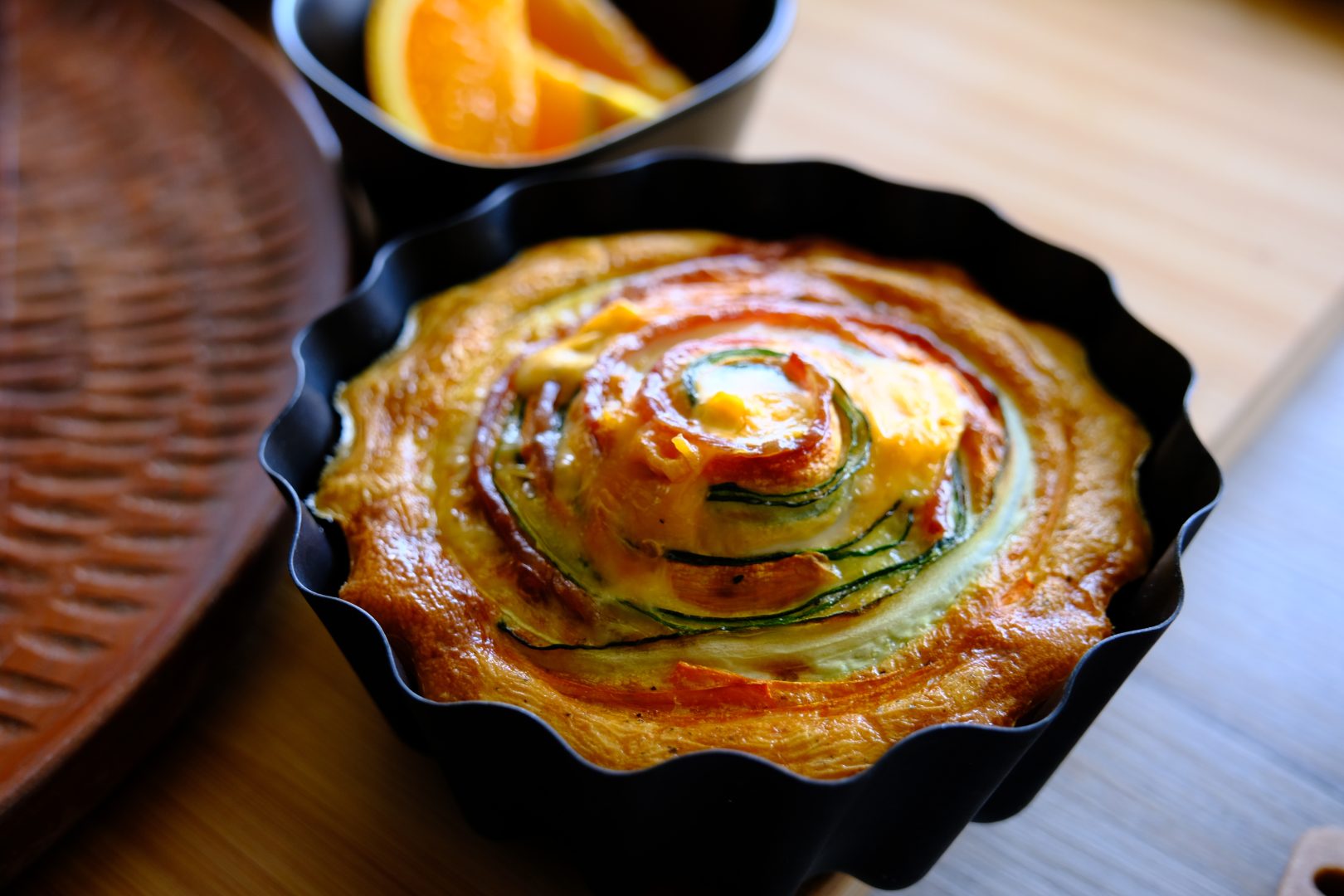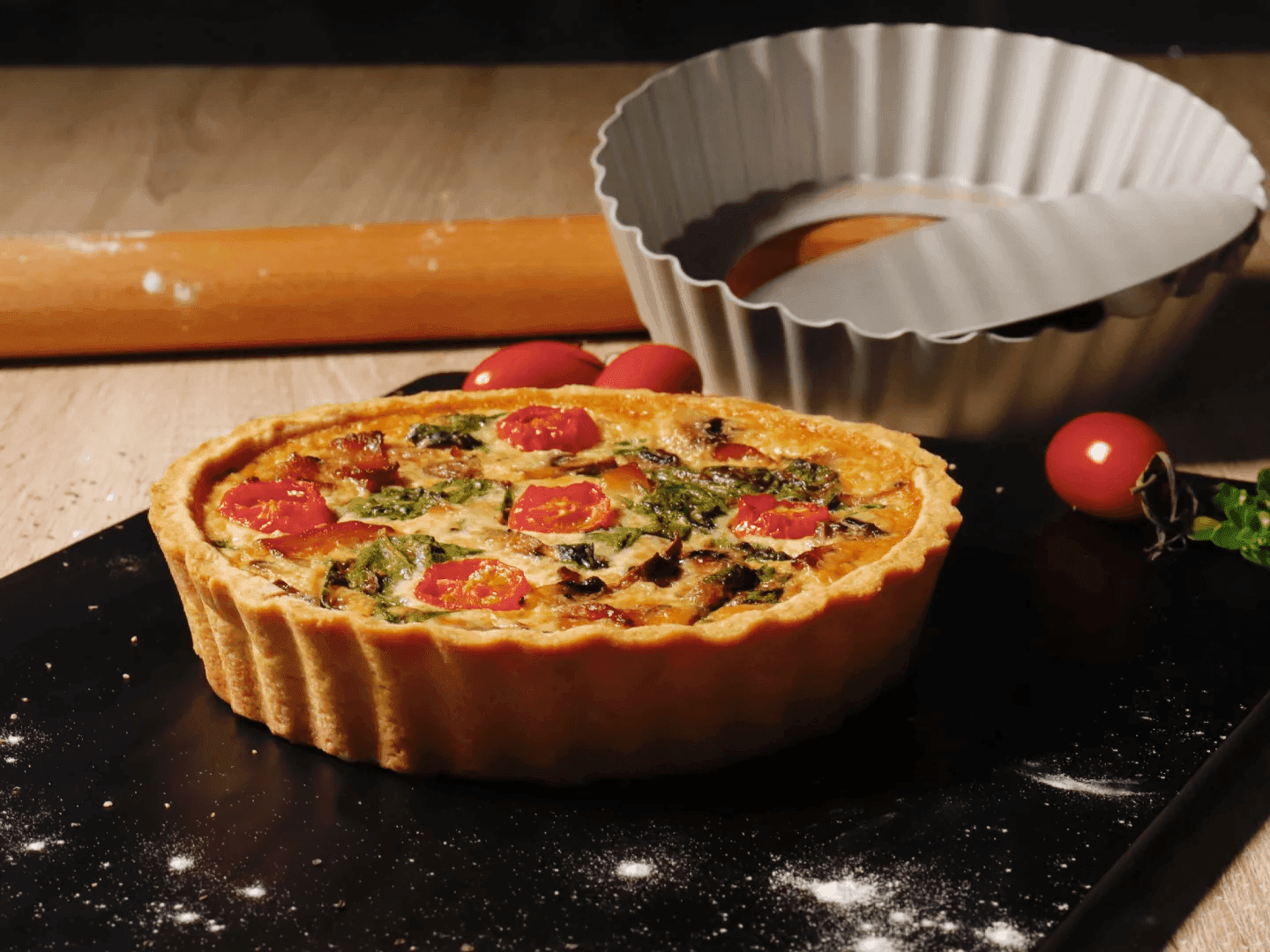
Salty pie is a classic French cuisine with a long history and rich cultural background. The origins of savory pie can be traced back to medieval Europe, when people made a variety of simple but delicious dishes using existing ingredients.
The predecessor of the Salty School was the “Open School”, which first appeared in England and France in the Middle Ages. At that time, salty pie was mainly used as a dish in the banquets and celebrations of the aristocracy, and the filling included meat, fish, vegetables and cheese, and the shell was made of simple flour and water. This open-ended approach allows people to make better use of a variety of ingredients, and is easy to store and carry.
By the 17th century, French cooking techniques had evolved, and the salty pie evolved into what we know today as the “Quiche” (salty pie or egg pie). One of the most famous salty pies is the “Quiche Lorraine”, which takes its name from the Lorraine region in eastern France. The original lorraine salty pie was made with pork, eggs, and cream, but over time, modern versions often incorporate bacon, onions, and Swiss cheese.
Salty pie is made in a simple way, but it is varied, which has made it quickly popular in European countries. People from different regions create a variety of savory pies with unique flavors based on their own tastes and available ingredients. For example, Italian savory pies are usually infused with tomatoes and herbs, while Spanish savory pies like to be added with seafood and chili.
With the arrival of European immigrants, salty pie gradually spread to North America and beyond, becoming one of the most popular cuisines in the world. Today, savory pies are not just a classic in French restaurants, but also a popular choice for family gatherings, picnics and parties.
In summary, the history of salty pie is a reflection of the rich food culture and culinary skills of various European countries. From the medieval open-ended pie to the modern Quiche, savory pie has seen centuries of evolution and innovation, and is still loved by people around the world for its unique flavours and diverse variations.